


Two Years of Pandemic
- By Akshay Tarfe
- 24 Mar, 2022
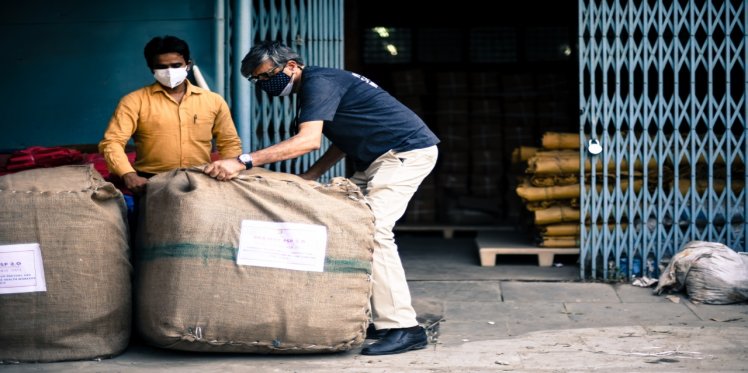
Oxfam India’s pandemic relief initiatives such as the provision of rations, life-saving equipment, oxygen plants, strengthening of the public healthcare system, and measures to bridge the learning gap among children aided the country’s recovery efforts
24 March 2020 | New Delhi: It’s been two years since India has been disrupted by the COVID-19 pandemic. While the new cases and death toll have dropped, India still has to totally recover from the unprecedented disruption caused by the pandemic. Oxfam India reaffirms its commitment in helping India recover by providing relief to communities in need through rations, life-saving equipment, strengthening of the public healthcare system, and measures to bridge the learning gap among children across 16 states in the country.
Amitabh Behar, CEO, of Oxfam India said, “As we enter the third year of pandemic, Oxfam India reaffirms its commitment to continue to provide relief and support the civil society, communities, frontline workers, and the government’s efforts in helping India to recover from the pandemic. Throughout the COVID-19 pandemic years, Oxfam India has worked with respective state and district administrations and reached diverse communities in need. These include transgenders, sex workers, miners, rag pickers, cancer survivors, survivors of domestic violence, weavers, fisherfolk, construction workers, and those affected by floods and cyclones. The food ration kits alone have reached more than 6 lakh people and livelihoods interventions have helped 81 women’s Self-Help Groups.”
Even before the lockdown began in 2020, Oxfam India’s humanitarian team started planning ‘Mission Sanjeevani’ which is one of India’s largest non-governmental responses to COVID-19 spread across 16 states. Oxfam India has provided lifesaving medical and diagnostic equipment to 150 District Hospitals, 172 Primary Health Centres, and 166 Community Health Centres in 16 states. Seven oxygen plants have been set up and made operational across the country, the latest being at Kushinagar in Uttar Pradesh.
Oxfam India has reached out to more than 64993 ASHA workers across 10 states by building their capacities and providing crucial equipment. This means the organisation has provided the thermal gun with batteries, pulse oximeter, 5 sets of nasal masks, 100 surgical masks, 2 sets of reusable gloves, and 20 sets of disposable gloves to almost 6% of ASHAs in the country.
Oxfam India has provided unconditional cash transfers to more than 12 thousand households amounting to more than INR 5.44 Cr. Through 15 other significant projects, Oxfam India has helped more than 1.5 million people comprising mainly Dalits, Adivasis, minorities, and women and girls in 9 states, 25 districts, and approximately 300 villages during this period.
“Oxfam India has been working with government and communities during the biggest crisis in the history of independent India. During these tough times, our teams have been helping to strengthen the government and civil society’s relief work and ensuring that no one is left behind,” said Amitabh Behar, CEO, Oxfam India.
Reaching the most vulnerable during tough times
The state and union governments in India started programs to help people during the pandemic through various schemes and initiatives. But many communities and underserved areas are left to fend for themselves in the middle of a pandemic due to gaps in the government effort to provide relief. Oxfam India’s efforts have helped to fill these gaps. This included the provision of relief material to migrant fisherfolk community (Gujarat), transpersons (Kolkata), homeless population (Delhi), sugarcane workers (Maharashtra), tea garden workers (Assam), Cyclone-affected families (Sunderbans in West Bengal and Odisha), artisans such as weavers (Assam) and dholak makers (UP), domestic workers (Delhi), Pak Hindu refugees (Delhi), Particularly Vulnerable Tribal Groups (Chhattisgarh), Cancer patients (Delhi), migrant workers (Bihar) and daily wage workers.
“The members of the transgender community have no identity like Aadhar card or PAN card. Hence the loss of our family and friends is not being recorded. Nothing was being done for those who are dependent on sex work or begging. Our organisation Kolkata Rista along with Oxfam India started providing relief materials like dry rations to members of the transgender community during the second wave of COVID-19,” said Dr. Santosh, Secretary and Executive Director of Kolkata Rista.
Amitabh Behar, CEO, Oxfam India said, “Oxfam has been part of India’s growth story since 1951. The organisation has played a key role in assisting the country to recover from famines, earthquakes, cyclones, and tsunamis. Oxfam India continues to work on building people’s resilient livelihood, access to education and health and a gender just society. We remain firmly committed to doing as much as we can to accelerate India’s recovery from the COVID-19 pandemic.”
For any query, please reach out to - abhirr@oxfamindia.org
About Oxfam India
Oxfam India is a movement of people working to end discrimination and create a free and just society. We work to ensure that Adivasis, Dalits, Muslims, and women and girls have safe violence-free lives with freedom to speak their minds, equal opportunities to realize their rights, and a discrimination-free future.
📢Oxfam India is now on Telegram. Click here to join our Telegram channel and stay tuned to the latest updates and insights on social and development issues.
Recent News
Related Stories
20 Jan, 2022
Kerala
Supporting the Flood-Affected in Kerala
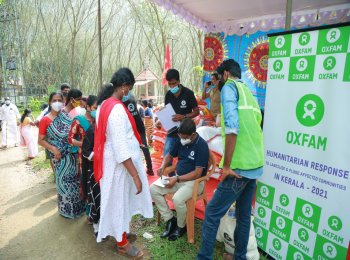
Jobin, Pankajakshi, Remya and Parvathy, though from different districts in Kerala suffered a similar fate in the October 2021 floods and landslides. They were all left without a source of income or food to feed their families. Oxfam India delivered dry ration and safety kits to 2771 families in Idukki, Alappuzha, Pathanamthitta and Kottayam.
Read More
16 Jan, 2022
Uttar Pradesh
Mohalla Classes 2.0
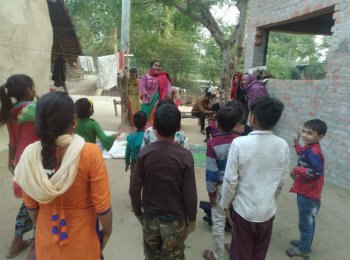
Due to prolonged school closure, children had lost interest in attending classes and there was a wide learning gap during this period. To bridge the learning gap among children, Oxfam India has once again started 15 Mohalla classes covering four districts of Uttar Pradesh. In these classes 321 children including 155 girls and 166 boys are getting education with the help of volunteers and Oxfam India team. Out of these children, 77 children are out of school.
Read More
13 Jan, 2022
Dhubri, Assam
Handcrafting a Water Filter
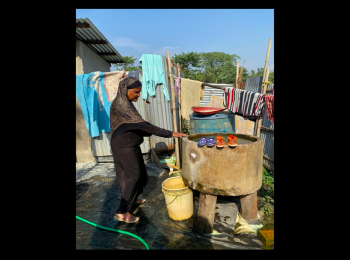
Rowsonara, troubled with the heavy iron content in the water, first made a multi-layer mud filter with coal, sand and rocks through which contaminated water would trickle down to a chamber that would hold clean water. She bettered it by making a cement filter. Quite a few people in the area also replicated the filter in their respective households and now have access to water that is better fit for consumption.
Read More
07 Jan, 2022
Karnataka
Back to School and Digital Literacy
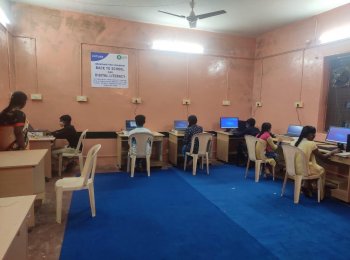
Schools which were on our Bangalore trail now have refurbished computer rooms as part of the Oxfam India-Virtusa 'Back to School and Digital Literacy' programme. 537 children belonging to some of the most marginalised communities will now have access to computers. And of course, a whole lot of stationery and sports item as well!
Read More
