


Photo Exhibition on Sexual Reproductive Health and Rights
- By Akshay Tarfe
- 09 Nov, 2021
Using Smartphones, These Youngsters Are Ensuring That Sexual And Reproductive Rights Are No Longer A Taboo
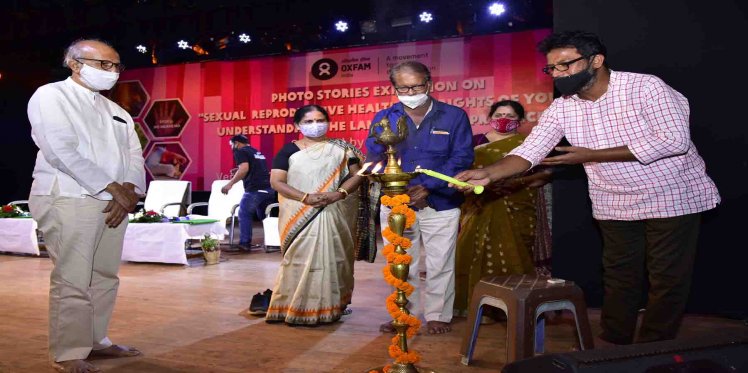
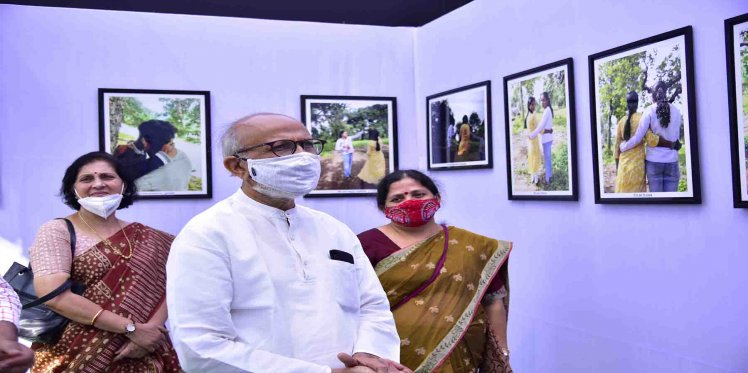
Bhubaneswar, 9 November 2021 | An exhibition of photos and videos recorded by 20 young researchers highlighting the importance of breaking misconceptions around sexual reproductive health and rights was held at the GKCM Odissi research centre in Bhubaneswar today. The exhibition organised by Oxfam India aims to increase the understanding of the intersection between the sexual and reproductive health and rights of adolescent girls and boys. The exhibition also highlights the increasing levels of violence against women and girls and gender-based violence, including child and early forced marriage in Uttar Pradesh and Odisha.
The exhibition was inaugurated by Professor Dr Sabita Acharya, Vice Chancellor of Utkal University, Biren Das, documentary film maker and Sandeep Sahu, the state news correspondent for BBC.
The exhibition, done in collaboration with Utkal University, is part of Oxfam India’s research project. 20 young researchers from Kalahandi district in Odisha and Muzaffarnagar district in Uttar Pradesh are taking part in the research project. The researchers have taken photos and videos from their phones to raise issues and generate conversations. The project aims to be a platform for young researchers to be creative using their phones in identifying related to consent in relationship, taboos around menstruation, homosexuality and access to Sexual and Reproductive Health and Rights (SRHR) services in their communities.
“Being part of the research, I could know my sexual and reproductive rights. It was very difficult to communicate on these issues with my father. Now, I can talk to him very easily about my right to choose my life partner and how to end stigma attached to periods. As a youth researcher, I have been using this participatory photo voice stories and videos to generate awareness on sexual reproductive health and rights,” said Manju Patra, a researcher from Borbhata Village, Kalahandi who is part of this project.
The project which started in June 2019 has been guided by feminist principles. The preliminary research findings and observations in the field suggest a shift in the attitudes, behaviour and practices of the 20 youth researchers who have been both “research subjects” and “research leads”. The feminist methods used in this research are both innovative and participatory.
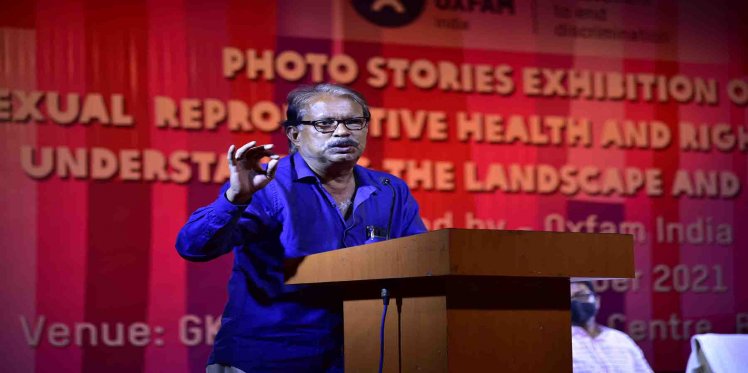
“Sexual Reproductive Health and Rights constitutes four essential elements of life and well-being. It is high time to generate evidence-based information on Sexual Reproductive Health Rights. We aim to educate our youth and to end exclusive practices and promote quality, universalised and inclusive health care to save the youth from gender-based violence and life-threatening morbidities and mortalities. Youth engagement in this campaign on SRHR can be a catalyst to national productivity and prosperity,” said Professor Dr. Sabita Acharya, Vice-Chancellor, Utkal University.
The exhibition also had the researchers conduct three sessions to talk about keys issues regarding SRHR. The first session captured the stigmas around periods and the youth researchers described their efforts to dismantle stigmas and create new norms.
The second session saw researchers talk about the importance of consent in promoting safety and dignity in relationship. The third session focused on the availability of SRHR services and the challenges for youth in accessing those and role of service providers in building a positive environment for promoting SRHR.
The research project is a collaboration between Oxfam Canada and Oxfam India. McGill University in Canada is also part of the research project. The project has been funded by the International Development Research Centre (IDRC). The exhibition was attended by students from Utkal University, Ravenshaw University, Ramadevi Women’s University, BJB Autonomous college, Adaspur Autonomous College, civil society members, researchers participated in the exhibition.
“Oxfam India works closely with youth in communities and in universities and colleges. We feel that there is the need to forge conversations and actions on these issues. SRHR and gender-based violence are closely linked and the lack of SRHR leads to basic human rights violation. It has many facets. Through this research on SRHR, we have tried to generate evidence on the practice of SRHR by youth and to promote positive norms to advance their SRHR”, said Akshaya Kumar Biswal, Regional Manager of Oxfam India.
For more information contact:- Abhirr VP (Manager, Media & PR) +91 97399 81606
About Oxfam India
Oxfam India is a movement of people working to end discrimination and create a free and just society. We work to ensure that Adivasis, Dalits, Muslims, and women and girls have safe violence-free lives with freedom to speak their mind, equal opportunities to realize their rights, and a discrimination-free future.
📢Oxfam India is now on Telegram. Click here to join our Telegram channel and stay tuned to the latest updates and insights on social and development issues.
Recent News
Related Stories
12 Oct, 2020
Uttar Pradesh
Breaking Barriers of Disability to Educate Children
Devkali is an active member of School Management Committee (SMC) of Primary School Terahimafi in Banda district. She holds regular monthly meetings with SMC members and teachers and has kept the discussions around improving school education and infrastructure alive. Devkali is breaking caste and disability barriers to ensure children in her village receive quality education.
Read More
01 Oct, 2020
Chennai
A Generous Unforgettable Help
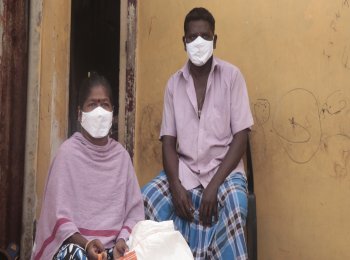
With no money or source of income, they relied on help from the church and the dry ration from the PDS that helped them manage somehow. Though the families in a slum are closely knit, and were helping each other out as much as possible, the condition of each family was similar and there wasn’t much that anyone could do. In Chennai, Oxfam India and BLESS reached out to 1550 households with food and hygiene kit. Arokiarani was one of them.
Read More
29 Sep, 2020
Chennai
In the Nick of Time
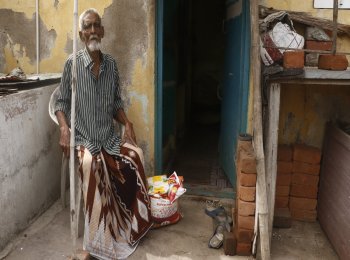
In June, just about when Zakruddin had run out of all options, a few neighbours told him about the volunteers from BLESS and Oxfam India. As part of the response, Oxfam India has been reaching out to some of the most marginalised communities across 16 states. And with ample support from its donors it has been distributing cooked food, dry ration, hygiene and safety kits, and distributing cash to the poorest households.
Read More
25 Sep, 2020
Bihar
Fighting to End Gender Discrimination: Johani Kisku
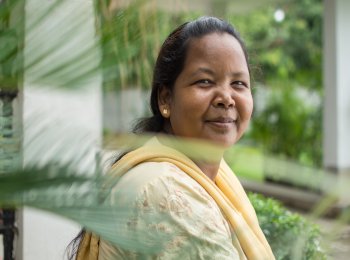
She founded MADAD in 2009 in Patna. She was now free to do her thing her way — whether it was resolving issues or voicing her opinion or mobilising, educating, supporting, training and employing the girls. She helped the girls find self-respect and their own identity. Courtesy the Malala Fund, she took her projects to Buxar, and spread awareness among the deprived Dalit and tribal girls and their parents.
Read More
