


Photo Exhibition on Sexual Reproductive Health and Rights
- By Akshay Tarfe
- 09 Nov, 2021
Using Smartphones, These Youngsters Are Ensuring That Sexual And Reproductive Rights Are No Longer A Taboo
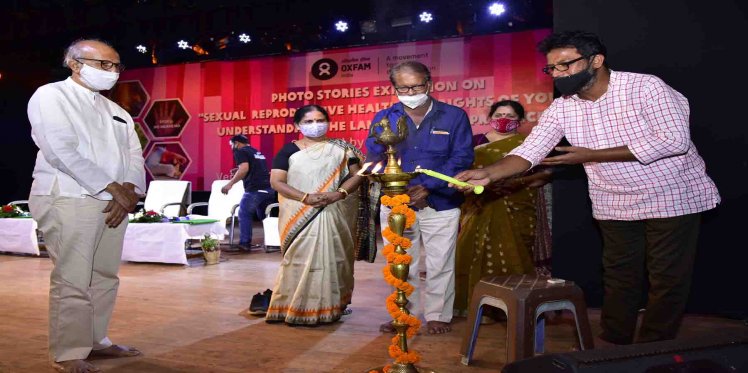
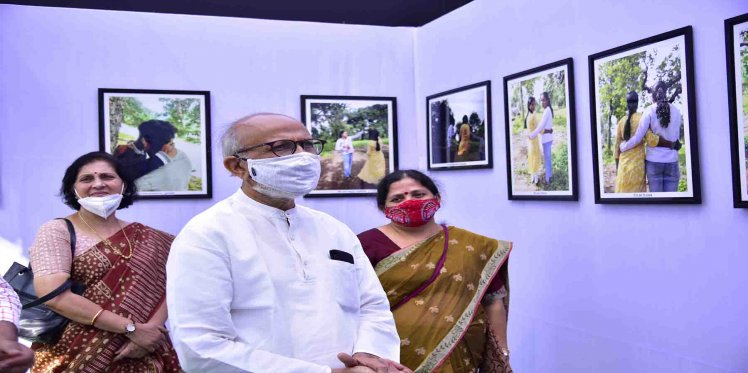
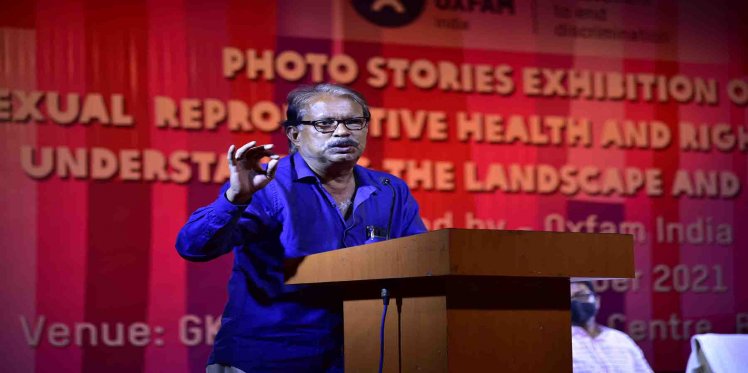
Bhubaneswar, 9 November 2021 | An exhibition of photos and videos recorded by 20 young researchers highlighting the importance of breaking misconceptions around sexual reproductive health and rights was held at the GKCM Odissi research centre in Bhubaneswar today. The exhibition organised by Oxfam India aims to increase the understanding of the intersection between the sexual and reproductive health and rights of adolescent girls and boys. The exhibition also highlights the increasing levels of violence against women and girls and gender-based violence, including child and early forced marriage in Uttar Pradesh and Odisha.
The exhibition was inaugurated by Professor Dr Sabita Acharya, Vice Chancellor of Utkal University, Biren Das, documentary film maker and Sandeep Sahu, the state news correspondent for BBC.
The exhibition, done in collaboration with Utkal University, is part of Oxfam India’s research project. 20 young researchers from Kalahandi district in Odisha and Muzaffarnagar district in Uttar Pradesh are taking part in the research project. The researchers have taken photos and videos from their phones to raise issues and generate conversations. The project aims to be a platform for young researchers to be creative using their phones in identifying related to consent in relationship, taboos around menstruation, homosexuality and access to Sexual and Reproductive Health and Rights (SRHR) services in their communities.
“Being part of the research, I could know my sexual and reproductive rights. It was very difficult to communicate on these issues with my father. Now, I can talk to him very easily about my right to choose my life partner and how to end stigma attached to periods. As a youth researcher, I have been using this participatory photo voice stories and videos to generate awareness on sexual reproductive health and rights,” said Manju Patra, a researcher from Borbhata Village, Kalahandi who is part of this project.
The project which started in June 2019 has been guided by feminist principles. The preliminary research findings and observations in the field suggest a shift in the attitudes, behaviour and practices of the 20 youth researchers who have been both “research subjects” and “research leads”. The feminist methods used in this research are both innovative and participatory.
“Sexual Reproductive Health and Rights constitutes four essential elements of life and well-being. It is high time to generate evidence-based information on Sexual Reproductive Health Rights. We aim to educate our youth and to end exclusive practices and promote quality, universalised and inclusive health care to save the youth from gender-based violence and life-threatening morbidities and mortalities. Youth engagement in this campaign on SRHR can be a catalyst to national productivity and prosperity,” said Professor Dr. Sabita Acharya, Vice-Chancellor, Utkal University.
The exhibition also had the researchers conduct three sessions to talk about keys issues regarding SRHR. The first session captured the stigmas around periods and the youth researchers described their efforts to dismantle stigmas and create new norms.
The second session saw researchers talk about the importance of consent in promoting safety and dignity in relationship. The third session focused on the availability of SRHR services and the challenges for youth in accessing those and role of service providers in building a positive environment for promoting SRHR.
The research project is a collaboration between Oxfam Canada and Oxfam India. McGill University in Canada is also part of the research project. The project has been funded by the International Development Research Centre (IDRC). The exhibition was attended by students from Utkal University, Ravenshaw University, Ramadevi Women’s University, BJB Autonomous college, Adaspur Autonomous College, civil society members, researchers participated in the exhibition.
“Oxfam India works closely with youth in communities and in universities and colleges. We feel that there is the need to forge conversations and actions on these issues. SRHR and gender-based violence are closely linked and the lack of SRHR leads to basic human rights violation. It has many facets. Through this research on SRHR, we have tried to generate evidence on the practice of SRHR by youth and to promote positive norms to advance their SRHR”, said Akshaya Kumar Biswal, Regional Manager of Oxfam India.
For more information contact:- Abhirr VP (Manager, Media & PR) +91 97399 81606
About Oxfam India
Oxfam India is a movement of people working to end discrimination and create a free and just society. We work to ensure that Adivasis, Dalits, Muslims, and women and girls have safe violence-free lives with freedom to speak their mind, equal opportunities to realize their rights, and a discrimination-free future.
📢Oxfam India is now on Telegram. Click here to join our Telegram channel and stay tuned to the latest updates and insights on social and development issues.
Recent News
Related Stories
18 Mar, 2021
Mumbai
Sewing A Better Future
In Mumbai, livelihood trainings are being carried out among 12 SHGs in Govandi and Mankhurd. Despite the economy opening up, many have still not been able to either get their jobs back or restore the wages that they were getting pre-pandemic. The situation is worse for those who lost their sole breadwinners to the virus. Here's a story of 3 women who have been able to make ends meet, thanks to the livelihood training they received. These trainings are being done in collaboration with Siemens.
Read More
10 Mar, 2021
Mayurbhanj, Odisha
Youth Volunteer As Teachers During Pandemic
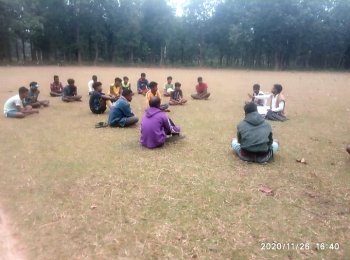
Last year, the sudden lockdown led to the closure of more than a million schools throughout the country leading to disruption in education of school students. While children everywhere faced the impact of this discontinuity of their education, the situation proved to be more severe for children from remote rural areas who had no access to internet, smartphone or electricity to be able to access virtual classes. This problem was further exacerbated for tribal students who further faced the challenge with regard to the language of instruction used for classes that were being broadcast. This situation prompted the Dharamveer Youth Group from Prasan Chandrapur Village of Noto Panchayat to come forward and take the responsibility of supporting children from the community so that they could continue their education.
Read More
14 Feb, 2021
Chhattisgarh & Jharkhand
Solar Boost For Rural Livelihood
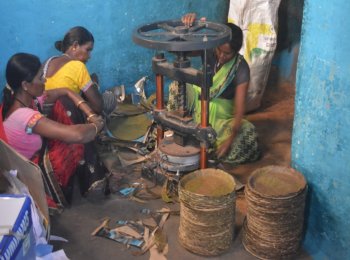
Based on the success of the solar-powered Sal leaf plate making unit in Chhattisgarh, two more machines were installed in Jharkhand and Chhattisgarh. This value addition will improve the quality of the product and fetch better price than the traditional hand-made plates. These have been set up in Bade Gobra village in Mainpur block in Chhattisgarh's Gariaband district and in Mohanpur Village in Sundarpahari Block in Jharkhand's Godda district.
Read More
11 Feb, 2021
Kushinagar, Uttar Pradesh
Making Toilets Sustainable
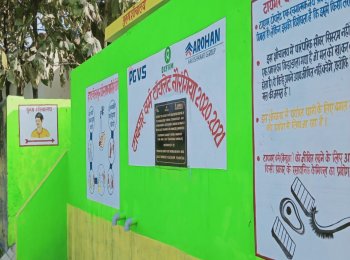
On February 2, 2021, Oxfam India handed over a Tiger Worm Toilet (TWT) complex to the Naurangiya panchayat in Uttar Pradesh’s Kushinagar district. Present at the handing over were community members and representatives from the Arohan Foundation and our on-ground partner PGVS. The toilet complex has five toilets and is built in the complex of the panchayat bhawan.
Read More
