


Oxfam India’s Reaction to Budget 2021-22
- By OxfamIndia
- 03 Feb, 2021
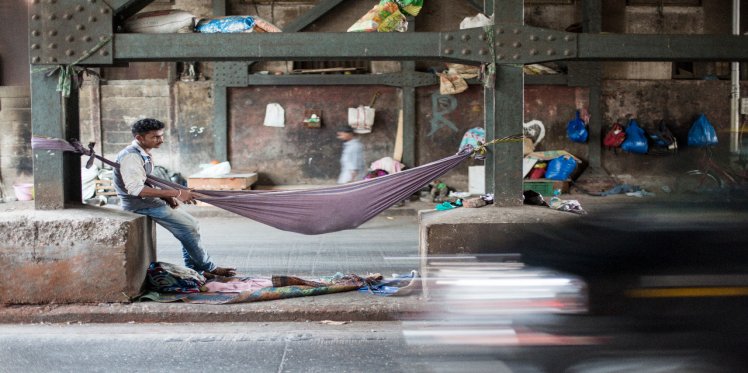
The Union Budget 2021 has failed to address inequality and offer redistributive justice to those whose lives were disrupted by the pandemic” — Amitabh Behar, CEO, Oxfam India
The focus on Inequality is completely missing from the Finance Minister’s Budget Speech and the Budget. Oxfam India’s recent report highlights that India’s 100 top billionaires saw their fortunes increase by Rs 12,97,822 crore during the crisis at the time when 84% households saw a fall in income. No commitments were made to bring in a wealth tax or ensure growth was equitable and inclusive.
The budget failed to tap into this potential source of revenue at a time when the recent Fight Inequality Alliance Pre-Budget Survey suggests that 78% people were in favour of imposing a 2% COVID cess on individuals earning more than INR 2 crore per annum. It would be critical to note that the budget has a 80,000 crores shortfall to meet expenditure targets which it proposes to meet through market-borrowing. Instead, the budget offered several incentives to start-ups and businesses such as Rs1.97 lakh crore in next 5 years for PLI schemes in 13 Sectors and extended tax holiday for start-ups.
The budget does not address the urgent spending needs in the social sector, especially in health and education. The overall budget has increased only by 1 percent from the revised estimate of 2020-21.
Health: Despite the much touted emphasis on health, health ministry budget has increased only by Rs 7000 crore from Budget Estimates of 2020-21 and declined by 9.8% from Revised Estimates of 2020-21. While the commitment of a 137% increase is welcome, this is spread across the next six years. Allocation of Rs 35,000 crore for COVID vaccination might be insufficient to ensure free, universal and timely vaccination given that it would cost Rs 52,000 crores. The allocation for National Health Mission, however, has witnessed a 4.4% increase. Despite frontline health workers such as Anganwadi and Asha workers being at the forefront of the COVID response, the Budget fails to allocate funding for ensuring minimum wage and insurance for all frontline health workers.
Education: At a time when India experienced an unprecedented once in a century disruption in the education system, allocations for school education has declined in real terms. No efforts are visible to make schools ready for reopening or take the steps needed to bring India’s dropouts back into school. The Budget proposes strengthening 15,000 schools to include all components of the NEP; this constitutes barely 1% of the total government and government aided schools in the country. Instead of addressing privatisation of education, it proposes roping in private companies and NGOs for setting up Sainik schools, hitherto solely run by the Ministry of Defence. The government fails to meet the target of 6% GDP allocation to education in line with its NEP commitments.
Migrant Workers: On the back of the pandemic, livelihood for informal, especially migrant workers, needed a significant boost. No new schemes and provisions have been provided for migrant workers. Announcements of One nation, One Card and Free food grain supply, made during the Atmanirbhar package have remained. The announcement of all workers coming under the ambit of minimum wage and social security is certainly well received. So is the Rs 1000 crore allocation for the tea workers of Assam and West Bengal. An urban employment guarantee scheme was anticipated from the government; however, no such scheme has been introduced.
Schemes for India’s women and marginalized communities: Centrally sponsored schemes for development of minorities, vulnerable groups, Scheduled Castes and Scheduled Tribes has increased by almost Rs 3000 crores. While the budget speech mentions the focus on women empowerment, gender budget does not witness an increase in priority; it remains at around 4.3% of total budget. The “Mission for Protection and Empowerment for Women” scheme witnessed a drastic decline from Rs 1163 crore to a mere Rs 48 crore, while unpaid care work has still not been addressed at all.
The Union Budget 2021 has failed to address inequality and offer redistributive justice to those whose lives were disrupted by the pandemic” — Amitabh Behar, CEO, Oxfam India
📢Oxfam India is now on Telegram. Click here to join our Telegram channel and stay tuned to the latest updates and insights on social and development issues.
Recent News
Related Stories
03 Mar, 2020
Uttar Pradesh
Reducing Inequality by Ensuring Formal Education
Oxfam India continues to work with grassroots partners to help out of school children and enrol them in school. This it does with a special focus on the girl child and in the five poorest states it works in. Oxfam India campaigns for the proper implementation of the Right to Education Act by working with parents, district and village level authorities, teachers, and School Management Committees (SMCs)
Read More
25 Feb, 2020
Kerala
Disaster Resilience through Economic Empowerment of Women and Excluded Communities in Kerala
Oxfam worked closely with Kudumbasree (Kerala’s Mission for Poverty Eradication) and the district administration to reach out to the most marginalised groups in Pathanamthitha and Alappuzha districts. Oxfam reached out to groups with members from excluded communities especially women and people with disabilities who faced the worst impact of the disaster and were struggling to revive their income generation activities.
Read More
04 Feb, 2020
Bihar
Community-Based Organisations Raise Awareness on Healthcare
Kajal Kumari could not afford a private hospital during her pregnancy. Rigorous advocacy by Oxfam India and community based organisations are helping improve public health facilities. Gardhanibagh hospital is one of them. Kajal received adequate care and delivered a healthy baby at the hospital.
Read More
30 Jan, 2020
Kerala
Rebuilding lives of flood-affected families in Kerala
The 2018 floods in Kerala devastated the lives of several families. Oxfam India responded with immediate life saving support and implemented long-term programmes to help families rebuild their lives and get back to normalcy.
Read More
