


Oxfam India And FMES Welcomes PM's Announcement on Vaccines
- By Oxfam India
- 09 Jun, 2021
PRESS RELEASE
Oxfam India And Forum For Medical Ethics Society Welcomes PM's Announcement For Partial Free Vaccines; Highlights Need For More Inclusive Vaccine Policy
More efforts are required on vaccine equity to speed up the vaccination process
New Delhi, June 9: Oxfam India and Forum for Medical Ethics Society (FMES) welcome Prime Minister Narendra Modi's decision to procure 75% of vaccines in India and providing them free of cost to the states. The latest decision is in line with the demands of the People's Vaccine Alliance in India which submitted a letter endorsed by over 600 prominent activists, doctors and citizens to the Prime Minister on May 17. We welcome the commitment to free delivery, central procurement of the vaccine, a partial price cap in private hospitals and the extension of the Pradhan Mantri Garib Kayan Ann Yojana. However, People’s Vaccine Alliance wants to reiterate that the new vaccine policy is far from universal and accessible.
Government efforts fail to ensure free vaccination for all by reserving 25% of India’s vaccine supply for the rich.
25% of the vaccine supplies will continue to be available for private hospitals. This policy will skew distribution to urban elites given that 80% of doses administered in the private sector in May were distributed in Delhi NCR, Mumbai Metro, Bengaluru and Hyderabad alone. Indeed, 50% of vaccine doses were monopolized by only 9 hospitals. While, the Central Government's decision to direct states to cap service charges in private hospitals at Rs.150 is appreciated, People's Vaccine Alliance urges the Prime Minister to address pandemic profiteering and declare 100% centralised procurement of the vaccine for equitable distribution.
Transparency in the distribution of vaccines to the states and UTs
Oxfam India CEO Amitabh Behar said, “Successful vaccination drives are rooted in detailed district plans and social mobilisation strategies to reach vulnerable communities; these are missing in the COVID-vaccination drive this time around. India needs to start maintaining disaggregated records of people vaccinated by income, social group and gender to allow us to understand the gap in the extent of vaccination of India’s rich and poor and its Dalits, Adivasis and minorities; men and women.”
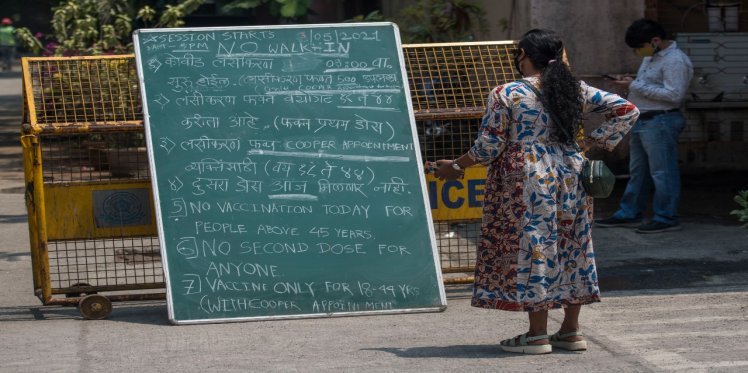
Only 15% rural households have access to the Internet and only 24% of India’s population has smartphones making the current vaccination enrolment strategy discriminatory. The near complete reliance on on-line appointments for vaccination without providing walk-in facilities for those under 45 tends to exclude those who lack internet access, the elderly living alone, those with disability and populations such as homeless and pavement dwellers and those in institutions and women. A more targeted bottom-up approach is needed to ensure vaccination nearer to peoples’ habitations, especially in high coronavirus prevalence areas. Vaccine slot registrations through offline modes and phone calls or SMS should be encouraged considering the deep digital divide in the country.
Sunita Sheel, General Secretary of Forum for Medical Ethics Society said, “We lost critical six-seven weeks impacting adversely equitable access to vaccine across states due to the Center’s earlier decision to discard a tested approach of centralized procurement of vaccines. Now that the decision is reversed, it is crucial that vaccine distribution across states is informed by epidemiological evidence as opposed to ad-hoc allocation of dosages to eliminate influence and interference of non-scientific factors. This requires meaningful all-state consultation on an ongoing basis and scientific advisors to states to engage with the ‘moving target’ of statewise needs. Only and only an evidence-based response will help us out of the pandemic.”.
Furthermore, with gaps in vaccination rates opening up among states, there is need for greater transparency in the distribution of vaccines to the states by the central government. Reports suggest, Gujarat alone had 60% of the entire country's vaccines on May 1 for 18-44 age group; consequently, several states complained to the Prime Minister about inequitable distribution.
Regulation of pandemic profiteering by vaccine manufactures and doing more to address root causes of vaccine shortage
India's global leadership in the push for a TRIPS waiver on COVID vaccine is important not just for ensuring domestic vaccine production, but also globally. The limitations of closed-door IP protected bilateral tech transfer partnerships between pharmaceuticals have been demonstrated by the AstraZeneca with SII that have failed to deliver universal vaccination, but have allowed for profits of as high as 750-2000% per dose by vaccine manufacturers. A price cap of INR 150 as service charges for private hospitals will have limited impact until profiteering is addressed at source. It is time for India to enhance transparency in the agreements with vaccine manufacturers, take steps to keep the vaccine not-for-profit and must do all that is required for enabling compulsory licensing to ramp up vaccine manufacturing.
Recent News
‘Bois Locker Room Talk’ is not normal or acceptable
14 May, 2020
Guest workers are hosts in this kitchen
01 Apr, 2020
Covid-19 India Press Release
30 Mar, 2020
Covid-19 Global Press Release
30 Mar, 2020
Related Stories
23 Nov, 2022
Nalanda, Bihar
Making Schools Fit And Smart
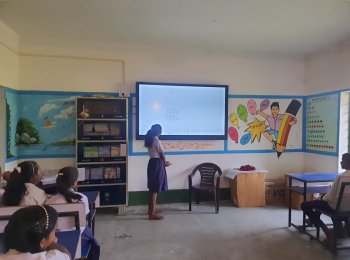
Oxfam India-HDFC Bank’s Holistic Rural Development Programme (HRDP) is working in 15 village of three blocks of Nalanda district. One part of the project works on improving schools; as part of the project it has renovated schools and developed smart class installing smart boards and computer labs in 10 schools.
Read More
14 Nov, 2022
Nalanda, Bihar
Convergence With Govt Schemes Improves Productivity
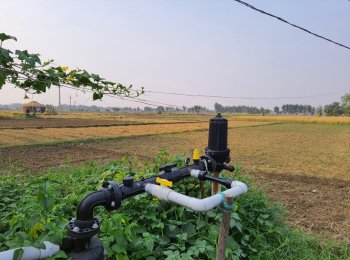
For the communities development to be sustainable and with a deeper lasting impact, it is also essential to facilitate linkages with government schemes. One such initiative was the instalment of drip irrigation systems in 10 villages in the Hilsa block. Drip irrigation helps ensure optimum crop growth. In 2022, Oxfam India chose 10 farmers—with land and keen to experiment with drip irrigation—and installed 0.4 hectare drip irrigation systems in their fields so they could be eventually be linked to the Pradhan Mantri Krishi Sinchai Yojana Scheme.
Read More
10 Oct, 2022
Nalanda, Bihar
Vermicompost Brings Better Yield And Better Income
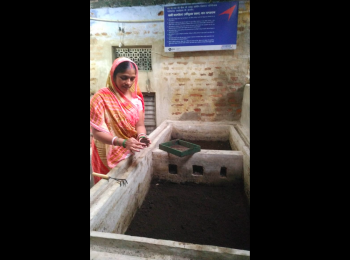
In March 2021, Babita Devi constructed the vermicompost pit. She first started using it in her own field and later started selling it to fellow farmers in the village. She received the vermicomposting training throughout Project Utthan, an Oxfam India-HDFC Bank initiative.
Read More
06 Oct, 2022
Sitamarhi, Bihar
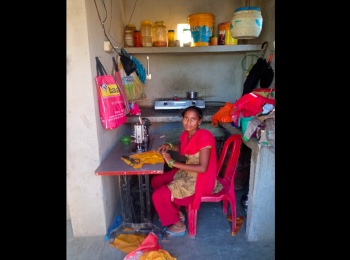
Cash Push To Revive Tailoring Business
Indu Devi was provided with INR 15000. She used the money to re-launch her tailoring business. She purchased a new sewing machine along with raw materials. She named her shop “Divanshi Tailors”. All this has led to mass promotion. Customers from her village as well as from nearby villages started reaching out to Indu Devi.
Read More
