


‘Crisis on top of crisis’ as India and Bangladesh brace for super Cyclone Amphan - Oxfam
- By Oxfam International
- 19 May, 2020
Spokespeople available in India and Bangladesh, including Cox’s Bazar
Cyclone Amphan, the strongest ever cyclone recorded over the Bay of Bengal, is expected to hit north-east India and Bangladesh tomorrow (Wednesday, 20 May) threatening millions of people in vulnerable communities already affected by COVID-19 outbreaks and lockdown.
Millions of people are being evacuated in India and 12,000 shelters have been prepared in Bangladesh to house nearly five million people in the expected path of the cyclone. Camps in Cox’s Bazar in Bangladesh, home to almost a million Rohingya refugees, are also likely to be hit and are especially vulnerable given the cramped conditions and an increasing number of coronavirus cases.
Oxfam, working with partners, is preparing life-saving assistance including safety equipment, clean water, sanitation, food and shelter for people in the cyclone’s path.
Pankaj Anand, Director of Programs and Humanitarian response, Oxfam India said:
“Cyclone Amphan is a crisis on top of a crisis. Many of the cyclone evacuation shelters are already being used as coronavirus quarantine centres or housing migrants who have returned to their coastal communities because of lockdown. People are worried there won’t be enough space in the shelters and that they might catch coronavirus in them.”
Dipankar Datta, Country Director, Oxfam Bangladesh said:
“It is already a huge challenge to contain the spread of coronavirus amongst the Rohingya refugees living in overcrowded camps, sharing water and toilet facilities. Cyclone Amphan is also a major threat to the millions of vulnerable Bangladeshis living in low-lying flood-prone coastal areas.”
Without assistance, people will be at risk not only to water-borne and other infections rampant during inclement weather, but also coronavirus, with their immunity compromised. Between the two countries, there are nearly 130,000 COVID-19 reported cases, including an increasing number of cases in Rohingya refugee camps in Cox’s Bazar. In Bangladesh, there are fears that up 1.4 million people may be displaced due to the cyclone, and 600,000 homes could be destroyed. Oxfam is working with partner organizations to help evacuate people to cyclone shelters, provide safe drinking water and dry food. To prevent the spread of coronavirus, it is distributing masks, providing handwashing facilities, and helping disinfect cyclone shelters.
In the low-lying coastal areas, Oxfam is also preparing desalination plants to provide safe drinking water because when the areas flood the salty water is undrinkable.
Parul Begum is a community leader in a small vulnerable coastal village in Bangladesh and supported by Oxfam partner, Society for Development Initiatives. She said people are more concerned about coronavirus than going to the shelters for safety:
“This cyclone is one of the most powerful ones we have faced so far but people are really worried about how they will maintain social distancing in the cyclone shelters. We do not go to the shelters alone but also take our cattle with us. People are unsure about hygiene and safety arrangements. Also, the cyclone shelters do not have adequate facilities for expectant and lactating mothers or sufficient privacy for women and girls.”
In India, Oxfam is working with local partners in communities in Odisha and West Bengal pre-positioning emergency supplies such as shelter material (tarpaulins, groundsheets, blankets), clean water, sanitation, hygiene kits, solar lantern and dignity kits for women and girls. It is also providing training to ensure that the cyclone response is carried out in a safe way to prevent COVID-19 from spreading further in the community.
Notes to editors
- VNR available of Cox’s Bazar – footage shot Sunday 17 and Monday 18 May 2020. It contains interviews with female Rohingya refugee and Moury Rahman, senior Public Health Advisor for Oxfam as well as B roll of camp, people handwashing, social distancing, wearing masks.
- More footage and photographs from Cox’s Bazar will be available from Wednesday.
- In Bangladesh, Oxfam is providing water and sanitation and increasing hygiene awareness to 173,000 people in the Rohingya refugee camps in Cox's Bazar and 9,000 people in the surrounding community. It also helping almost 400,000 people in the coastal districts.
- Oxfam India is working across 14 states to help five million people with hygiene training and over one million people with food during the coronavirus lockdown migration.
Contact information
Spokespeople available in India and Bangladesh, including Cox’s Bazar
For more information and interviews with Oxfam spokespeople please contact:
For India: Himanshi Matta- himanshi@oxfamindia.org, Mobile: +91-8860182310, skype Himanshi.matta
For Bangladesh: Soeb- ajrahman@oxfam.org.uk, Mobile- +8801755621 780 | skype: zobaidurrahman
For Asia region: Nipuna- nipuna.kumbalathara@oxfam.org, Tel/WhatsApp: +94 (0) 71 4873333 Skype: Nipuna.Kumbalathara
Recent News
Related Stories
09 Aug, 2023
Koraput, Odisha
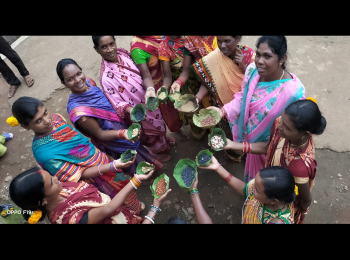
Community Seed Bank: Beyond Preservation And Conservation
Women from the indigenous communities have been playing a critical role in conserving the seeds. On World Indigenous Day, we look at the community seed bank, promoted by Oxfam India-SDMC Trust project, that has ensured large scale exchange of quality native seeds. In the 40 villages and 2000 farmers that we work with, we have ensured conservation and multiplication of native seeds at the community level through custodian farmers.
Read More
07 Jul, 2023
Odisha
A Fresh Start For Pinky
Pinky received all her streedhan back from her in-law’s house due to the mediation by the counsellors at the Bijayini Centre in Nayagarh. This has not just helped her get out of an abusive marriage but also given the confidence of carving her own future.
Read More
05 Jul, 2023
Nalanda, Bihar
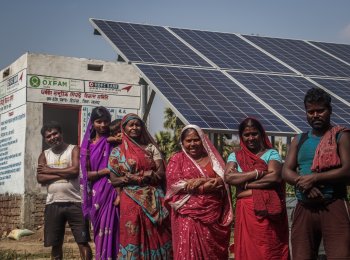
Solar Solution for Bihar Farmers
A solar-based lift irrigation system in Indaut village was set up through Project Utthan, an Oxfam India-HDFC Bank project. The system can irrigate 25 acres of land, which means farmers can irrigate their land independent of the electricity supply in rural Bihar. The system has been installed in areas where land lay bare due to lack of irrigation facilities. Most farmers in the area could not afford their own pump and boring instruments, making irrigation a significant challenge.
Read More
03 Jul, 2023
Kalahandi, Odisha
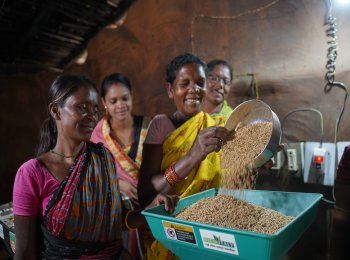
Araskupa Processing Unit: A Blessing In Disguise
Through Project Utthan, an Oxfam India-HDFC Bank’s HRDP initiative, a 10-member SHG was provided two machines—a 2-in-1 pulveriser and a huller. The former, fitted with blades of different sizes, is for grinding wheat, turmeric, millets, cumins, chilies and other spices. The latter is the paddy processing unit. Though the huller processes about 1.5 quintals of paddy an hour but it has made paddy processing easily accessible to not just Araskupa but six other neighbouring villages (some of them with very remote homes and no access to electricity).
Read More
