


‘Bois Locker Room Talk’ is not normal or acceptable
- By Oxfam India
- 14 May, 2020
Oxfam India unequivocally condemns the toxic masculine and misogynist culture displayed by boys who were part of the ‘Bois Locker Room’ Instagram group conversations reported in media from 2nd May onwards.
As per media reports, several boys studying in a known Delhi-based school, were found to have circulated nude pictures of underage girls without their consent, sexualized and objectified them.
It is not the first time that such incidents have been reported. On 19 December 2019 there were similar reports of elite Mumbai school boys caught talking about ‘raping’ and ‘gang-banging’ girls on a WhatsApp group. This came to light when two girls refused to go to school out of fear[1].
These incidents highlight the prevalence and acceptance of regressive social norms that enable young boys and men to brazenly indulge in behavior that objectifies, dehumanizes women and girls and robs them of their autonomy.
The ‘locker room’ conversations should not come as a surprise, since popular culture around us is steeped in sexism and a hyper-sexualized depiction of women which is at odds with real life women and girls.
Oxfam India’s research study on portrayal of women in mainstream Hindi and regional films, showed that in a majority of movies popular at the box office, women were shown as unidimensional personalities, only interested in being wooed and led by men, with no agency, leadership and accomplishments of their own[2]. More seriously, 88% of the female characters were objectified, 67% wore scanty/ sexual clothes and 58% movies had a sexist and voyeuristic camera work. The movies institutionalise stalking and sexual harassment of women in the name of courting them; entrench the myth of ‘no means yes’; popularise sexist, lewd and vulgar jokes; condone violence against women and generally ignore concepts of privacy, personal space, consent and respect for women and girls. Many of the songs had choreographies which romanticized and simulated gang rape or mass molestations. The boys who were interviewed reported that they looked upon movies as important for their education and sexual maturation, agreed that they directed some of the remarks and jokes at girls and more than half of them felt that stalking girls was not objectionable. Girls on the other hand reported that boys used the lewd songs to harass them resulting in much distress, curtailment of their freedoms and being blamed for inviting negative attention. They admitted to the pressure to look good and dress like in the films but feared being called ‘fast’ and ‘easy’ or targeted sexually.
Other studies have brought out disturbing facts such as Indian men who display aggressive masculine behavior in youth are 3.5 times more likely to perpetrate sexual violence than those who do not and men who display less gender equitable attitudes and behavior are 1.5 times more likely to perpetrate sexual violence[3]. Also worrying is that another study focusing on men’s attitudes towards gender equality and its relationship with intimate partner violence showed that younger men (18 to 24 years) had the most inequitable gender attitudes and condoned more controlling behavior towards women[4].
Negative social norms such as ‘no means yes’, boys will be boys, girls secretly crave attention of boys, tali ek haat se nahi bajati and such others create a hostile environment for girls, and affect their confidence, self-esteem and ability to reach their full potential. If not actively challenged, the same norms become the basis for justifying crimes against women and preventing girls from reporting the crimes. It is not enough to take disciplinary action against boys, but more important is to realise that they are but cogs in the wheels of a toxic culture of rape and sexual intimidation which needs to change. The task is not limited to parents, but also schools, sports and other institutions which come in contact with children and youth, entertainment, movies, popular culture, peer groups and all in society.
Sexuality or Sex education at school is one such important opportunity to inculcate concepts of gender equality, consent, privacy, respect for the body and autonomy over one’s body and begin a process of change. If undertaken sensitively and in a participatory mode this can create a safe space to discuss and confront the myths, misconceptions and negative social norms linked to sexuality. However, India has not yet rolled out a systematic plan to include sex education in schools.
It is urgently necessary to confront this misogynist culture and inculcate respect for women and girls and gender equality within the lived cultures of all, but especially men and boys. Towards this we recommend to:
- Engage with men and boys to respect girls and treat them as equals! Now!
- Time to start gender and sex education in schools, informed by values of gender equality!
- Boys and peers must be encouraged to recognize harassment, bullying and intimidation; support girls and boys who face it and call out those who indulge in it!
- Call out sexist jokes, movies, tele serials, comedians, other popular culture who devalue girls in any form!
- Invest in girls so they emerge to be confident and with high self-esteem!
[1] https://www.opindia.com/2019/12/mumbai-ib-school-celebrities-whatsapp-boys-girls-chats-violent-rape-sexually-explicit/
[2]INDIAN CINEMA AND YOUNG VIEWERS’ RESPONSES TO GENDER AND VIOLENCE AGAINST WOMEN, Oxfam India, 2019 (unpublished)
[3] Heilman, B.; Hebert, L.; and Paul-Gera, N. The Making of Sexual Violence: How Does a Boy Grow Up to Commit Rape? Evidence from Five IMAGES Countries. Washington, DC: International Center for Research on Women (ICRW) and Washington, DC: Promundo. June 2014. https://promundoglobal.org/wp-content/uploads/2014/12/The-Making-of-Sexual-Violence-How-Does-a-Boy-Grow-Up-to-Commit-Rape.pdf
[4] Nanda Priya, Gautam Abhishek, Verma Ravi, Khanna Aarushi, Khan Nizamuddin, Brahme Dhanashri, Boyle Shobhana and Kumar Sanjay (2014). “Study on Masculinity, Intimate Partner Violence and Son Preference in India”. New Delhi, International Center for Research on Women https://asiapacific.unfpa.org/sites/default/files/pub-pdf/Study%20on%20Masculinity%2C%20Intimate%20Partner%20Violence%20and%20Son%20Preference%20in%20India.pdf
Recent News
Related Stories
06 May, 2022
Muzaffarnagar, Uttar Pradesh
Ombeeri Devi : A Champion of Equal Wages
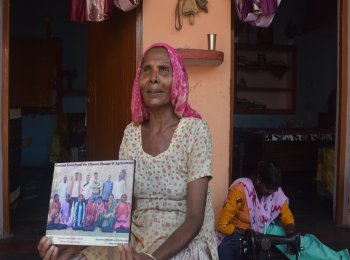
Ombeeri fought against alcoholism, discrimination against dalits, and gender pay gap in the sugarcane fields. She encouraged her daughter to train as a beautician and run a parlour at home, something that the latter set up at her marital home. Ombeeri ensured that her daughter in law completed her B.Ed. She was among the eight felicitated by Oxfam India for working for women empowerment.
Read More
05 May, 2022
Nainital, Uttarakhand
A House For Tulsi Devi
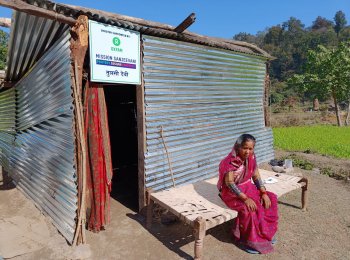
Tulsi Devi and 51 other families in Ramnagar and Ramgarh blocks in Nainital district in Uttarakhand were provided with temporary shelter kits to tide over harsh winters and wild animals after the landslides in October 2021. This was part of our flood and landslide response in Ramnagar, Ramgarh and Okhalkanda block in Nainital district in Uttarakhand.
Read More

04 May, 2022
Kerala
Bringing Relief To Families: Kerala Flood Response
Ammini, Kunjipennu, Pathumma and Susheela have a few things in common. They are from Kerala and were drastically affected by the 2021 floods. They were all also facing immense financial struggles both before and after the pandemic, when the floods worsened their financial situation. The ‘Kerala Landslide and Flood Response Programme 2021’ was launched. Under this, 2771 families received food and relief kits.
Read More

02 May, 2022
Nalanda, Bihar
Farmer Field Schools: Boosting Farm Productivity And Confidence
In November 2021, Oxfam India set up two Farmer Field Schools in each of its 15 villages. The School is a demonstrative farmer field—where a selected lead farmer demonstrates advanced and technology-savvy agricultural methods.This is also the learning centre for other farmers in the village.
Read More
